Al-Waraqat by Imam al-Juwayni is one of the most foundational texts in Uṣool al-Fiqh (principles of Islamic jurisprudence). This blog offers a concise and structured introduction to its key themes, providing students with accessible notes and insights into the methodology of deriving rulings in Islam. Whether you’re a beginner or revisiting the classical principles, these notes aim to simplify complex concepts and strengthen your understanding of how Islamic law is built upon sound evidences and reasoning.
Blog Category Islam
Blog description Al-Waraqat by Imam al-Juwayni is a timeless primer in Uṣool al-Fiqh — the science that lays the foundation for understanding Islamic law. This blog provides clear, structured notes and explanations on the introduction to al-Waraqat, helping students grasp essential principles such as rulings, evidence, and the framework of legal reasoning. Ideal for beginners and serious students alike, it serves as a guide to understanding how scholars derive rulings and preserve the integrity of Islamic jurisprudence.
Notes on al-Waraqat: Introduction to Uṣool al-Fiqh
Al-Waraqat is one of the most renowned introductory texts in Uṣool al-Fiqh, authored by Imam al-Haramayn al-Juwayni (d. 478 AH). It serves as a concise yet profound guide to the principles underlying Islamic jurisprudence — the science that defines how legal rulings (ahkām sharʿiyyah) are derived from the Qur’an, Sunnah, consensus (ijmāʿ), and analogy (qiyās).
The introduction of al-Waraqat sets the stage for understanding what Uṣool al-Fiqh truly is. Imam al-Juwayni begins by defining the term:
- Fiqh refers to the deep understanding of Islamic rulings and their application.
- Uṣool refers to the foundational principles or sources upon which this understanding is built.
Together, Uṣool al-Fiqh represents the methodology by which scholars derive laws and interpret divine texts with precision and balance. The introduction also emphasizes the importance of knowledge, clarity in terminology, and the hierarchy of evidences used by scholars in deducing rulings.
For the student of knowledge, this section is not merely theoretical — it cultivates disciplined thinking, respect for scholarly method, and awareness of the intellectual rigor behind Islamic law. Understanding Uṣool al-Fiqh helps one appreciate how the Shari‘ah harmonizes divine revelation with reason, ensuring that every ruling is grounded in wisdom and justice.
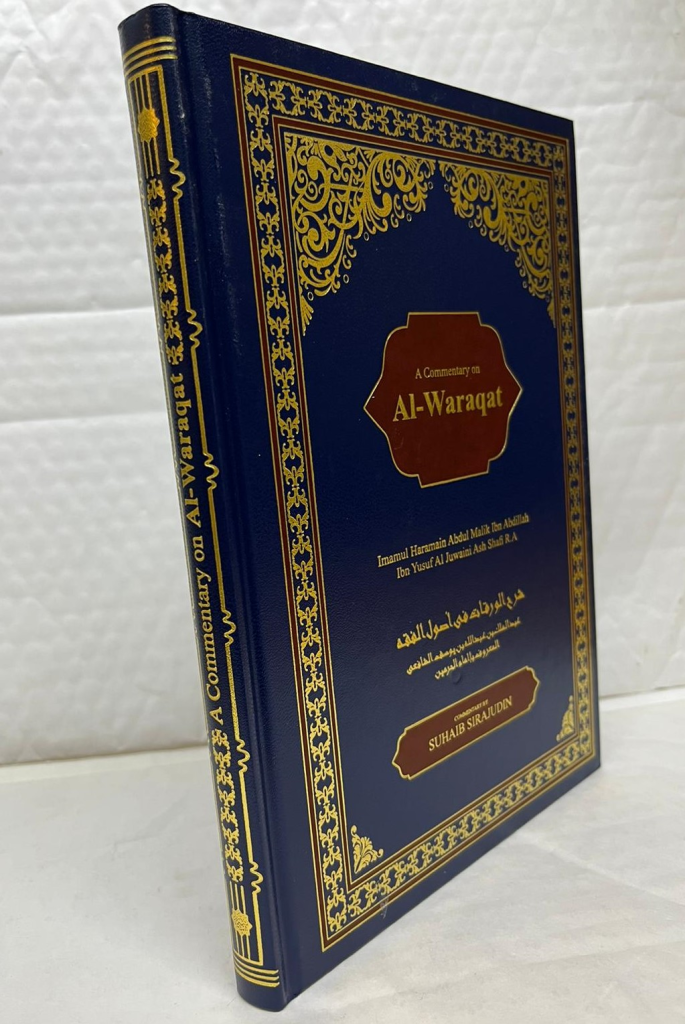
These are my notes from the lectures of Sh. ‘Amir Bahjat, a Hanbali scholar based in Saudi Arabia, explaining the classical text on Usool al-Fiqh entitled al-Waraqat by the Shafi’ scholar Imam al-Haramayn, the teacher of the famous Imam al-Ghazali. The book gives an excellent bird’s eye view of the field of Usool al-Fiqh. It is an introductory level text to introduce the student to the field and is usually the first text taught in classical study before delving into the more advanced texts on the topic.
Usool al-Fiqh deals with issues related to how Islamic law is deduced from its sources and the qualifications necessary for those who are allowed to do so. You need this science in order to understand the debates of the Muslim jurists (fuqaha) over Islamic law and why those differences occur. It also delves into the topic of how Muslim scholars deal with conflicting evidence.
I put these notes together for other students of knowledge who may be newly delving into this subject and those who are curious about the field. The main purpose of my notes is to be a supplement and I would strongly suggest that those serious about it should find a teacher to study the book. There are numerous commentaries on it from many scholars available on YouTube in Arabic and English. A student can also find mp3 commentaries available for download from competent teachers from various websites across the web. Of course, this will never replace having access to a live teacher, which is always the best option.
I benefited from Sh. Musa Furber’s translation of the text and incorporate many of his translation choices, however, I also do my own in other places where I felt it would make the points more clear. I also borrowed a lot from my notes on Sh. al-’Uthyameen’s book on Hanbali Usool entitled al-Usool min ‘ilm al-Usool.
Why We Read al-Waraqat (Introduction to Uṣool al-Fiqh)
We study al-Waraqat because it is one of the most accessible and foundational introductions to the science of Uṣool al-Fiqh — the principles that guide how Islamic rulings are derived. It teaches how scholars think, not just what they conclude.
Here are the main reasons:
- Foundation of Islamic Scholarship:
Uṣool al-Fiqh is the backbone of all Islamic legal and theological understanding. Without it, one may know rulings but not the reasoning behind them. Al-Waraqat gives a structured approach to understanding how the Qur’an, Sunnah, consensus (ijmāʿ), and analogy (qiyās) form the basis of Shari‘ah rulings. - Clarity and Discipline in Thinking:
It refines a student’s ability to analyze, differentiate between types of evidences, and reason logically within the boundaries of revelation. This intellectual discipline is vital for anyone pursuing Islamic studies seriously. - Bridging Classical and Modern Understanding:
Though written centuries ago, al-Waraqat remains relevant today as it helps students appreciate the depth, precision, and beauty of Islamic jurisprudence — offering a bridge between classical scholarship and modern application. - Spiritual and Ethical Growth:
Studying Uṣool al-Fiqh is not just academic; it nurtures humility, patience, and respect for the scholars of the past. It reminds the student that every ruling in Islam is rooted in divine wisdom and mercy.
Finally, I pray that Allah benefits you through this book and brings you closer to your religion.
Featured Image
Please include a short bio Mushtabi Fatma writes about Islamic scholarship, spirituality, and the pursuit of sacred knowledge. She aims to make classical Islamic sciences accessible to modern learners through clarity, structure, and reflection.
Note of any Reading al-Waraqat is not just about memorizing definitions or classifications — it is about training the mind and heart to approach Islamic knowledge with precision, humility, and reverence. It serves as a doorway into the methodology of the scholars, helping students appreciate how rulings are derived with balance between text, context, and reason. Consistency, reflection, and guidance from a teacher greatly enhance one’s understanding of this foundational text.
About The Author