
Parents say use of isolation room damages mental health and children’s learning
Blog Category child education
Blog description ‘Publicly humiliated’: Parents describe difficulty of children’s isolation at school
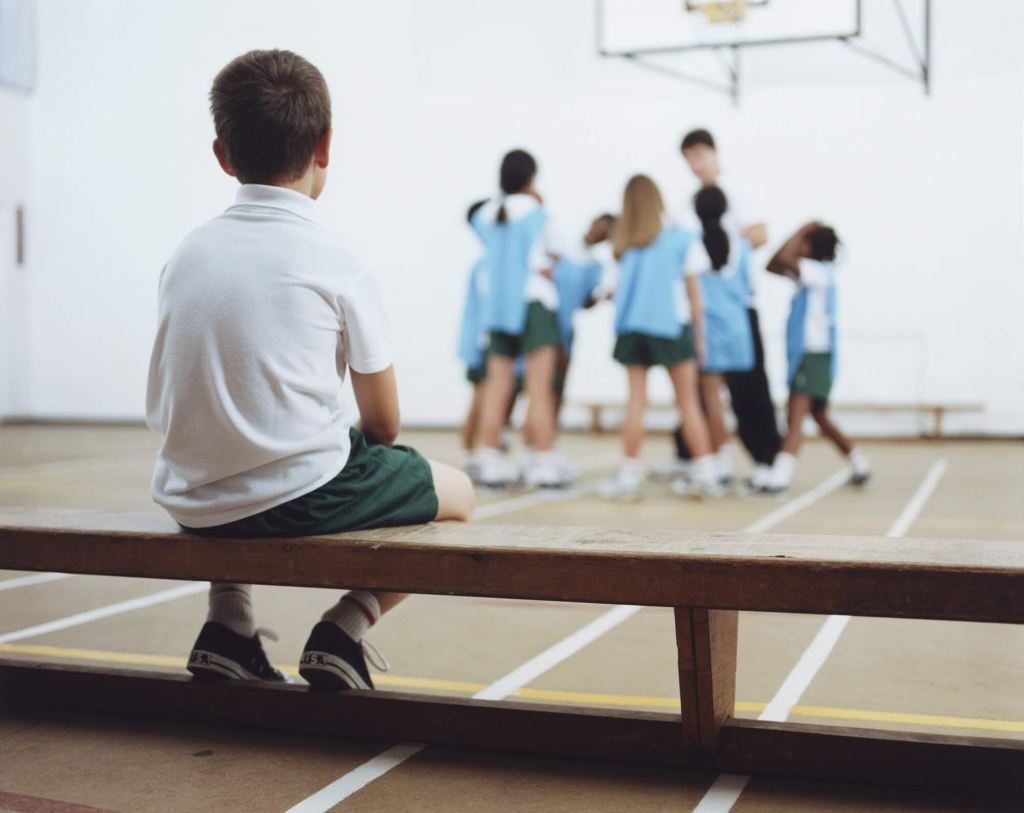
This story highlights the growing concerns among parents about the emotional and psychological impact of isolation practices in schools, often used as a form of discipline. Parents report that their children—some as young as primary school age—are being placed in separate booths, secluded rooms, or “reflection spaces” for extended periods, sometimes where other classmates can see them.
Many parents say the practice feels like public humiliation rather than constructive discipline, with children returning home distressed, anxious, or reluctant to attend school. Some describe isolation areas as stark, uncomfortable, or closely resembling punitive spaces rather than supportive environments designed to help students regulate their behavior.
Advocates and child psychologists warn that isolation can be harmful—particularly for children with special educational needs, autism, ADHD, or trauma histories—potentially worsening behaviors instead of improving them. Parents in the report call for greater oversight, more training for teachers, and evidence-based alternatives such as restorative approaches or emotional-regulation support.
Schools, on the other hand, often defend the practice as a necessary tool for maintaining order and keeping classrooms safe, though critics argue that its overuse reflects systemic issues like underfunding, staff shortages, and lack of mental-health resources.
Overall, the piece underscores a widening debate: Where is the line between discipline and harm? Parents say their children’s dignity—and wellbeing—is at stake.
Max was 11 and had just started his new secondary school when he was first put into isolation. He had asked to use the toilet between lessons, which was not ordinarily allowed, and was told to go quickly.
“He knew he wasn’t allowed to run, so he walked quickly,” his mother, Beth, told the Guardian. But teachers claimed he was running and Max’s secondary school career began with a week’s isolation.
His parents were devastated. “He had only just got his autism diagnosis,” said Beth. “This was the start of a very poor secondary experience. He had to sit on his own for all breaks and lunches for a week. He was 11 and had to sit on a table in the hall, so not hidden away but publicly humiliated.
“It can’t have helped him make friends as those first few weeks are key for this. He was devastated at the time and still talks about it now. It was the first of many punishments that contributed to his reducing school attendance and eventual burnout.”
Finally, Max stopped going to school altogether.
Isolation differs from school to school. It is usually a dedicated room on the school premises known by a variety of different names: the isolation room, the behaviour support room, the reflection room, the blue room, the matrix, the quay or base camp.
Some are furnished with isolation booths, where children are sealed off from other pupils, required to sit facing forward without talking to others. In many cases children are not allowed to leave for break or lunchtime, with sandwiches provided instead.
Dan Rosenberg, a lawyer at Gold Jennings, who has represented dozens of children affected by the use of isolation rooms in schools, is particularly concerned about pupils who are repeatedly isolated. In one recent case, a child was found to have spent 83 days in isolation in a school year, equating to more than 500 hours.
“It’s the cumulative effect of repeatedly being stuck in isolation – it damages their mental health. It also massively impacts their learning because they miss so many lessons. When they go back to the classroom, children often cannot follow what’s going on.”
They disengage, find it hard to concentrate, and find themselves back in isolation, he said.
Many have special educational needs. “They just can’t really cope. Then often they get told they’ve ‘failed’ isolation and they have to do another day,” said Rosenberg. “Some end up self-harming, often using whatever is at hand – a pencil to dig into their skin or their nails are two of the methods I have heard of.”
There are often fights at home as parents struggle to get their children to go to school and attendance suffers. “Why would a child want to go to school if that’s what’s going to happen?” said Rosenberg. “But repeated isolation does not solve the problem. It often makes things worse.”
Sue has three children. All have education, health and care plans detailing their special needs, and all have been sent to isolation for various misdemeanours including. Her oldest daughter fell foul of the rules because of her eyelashes. “Not huge, just small eyelashes which gave her confidence.”
Other reasons for isolation included not entering a lesson as a result of anxiety, talking during a lesson and “not sitting still enough”.
Her daughter’s anxiety deteriorated. “She became an emotional wreck,” said Sue. By the time it came to her sitting her GCSEs, she was so anxious she missed most of her exams. She lost all trust in her teachers and left school with no qualifications.
Sue’s second daughter has been diagnosed with autism and selective mutism. “She said she would rather kill herself than be in that room alone all day as it is so long and isolated.”
Within weeks of starting secondary school, Sue’s son – who has learning difficulties and is awaiting an autism assessment – was sent to isolation for speaking when not asked to, failing to produce sufficient work and swearing because he was trying to ask for help and got angry. He is going through emotionally based school avoidance and has not attended school since February.
“Isolation can be a good safe place for children who are disrupting a lesson but only if it is used in the correct way,” said Sue. “Children’s neurodiversities need to be taken into account as well as their mental health.”
Featured Image
Please include a short bio
This summary was prepared by a writer focused on education policy and child wellbeing, offering clear insights into current debates affecting schools, parents, and young learners.
Notes (if any)
- Isolation rooms are often used as a behavioral consequence but are increasingly criticized for their emotional impact on children.
- Parents report experiences ranging from short seclusion periods to hours-long isolation, sometimes without adequate supervision.
- Children with special educational needs (SEN), autism, or ADHD appear to be disproportionately affected.
- Experts highlight risks such as heightened anxiety, trauma responses, and damaged self-esteem.
- Critics argue that isolation is sometimes applied inconsistently or excessively due to staffing shortages or lack of training.
- Advocates recommend restorative practices, emotional regulation support, and individualized behavior plans as healthier alternatives.
- The debate reflects a broader concern about the balance between classroom management and children’s rights.
About The Author


