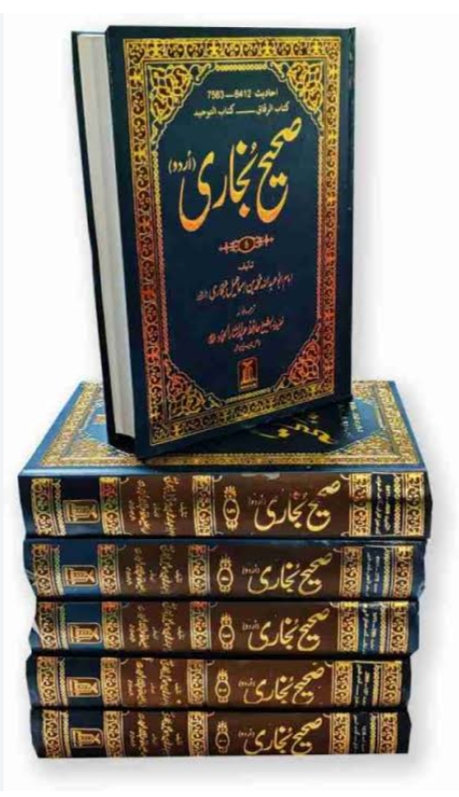
Islam is a complete way of life that provides guidance for spiritual growth, moral conduct, and social responsibility. It is built upon firm foundations known as the Pillars of Islam and guided by core Principles of Islam. Together, they shape the beliefs, practices, and values of Muslims around the world.
The Five Pillars of Islam
The Five Pillars of Islam are the fundamental acts of worship that form the backbone of a Muslim’s faith and practice. They are obligatory for all Muslims who are physically and mentally able.
1. Shahadah (Declaration of Faith)
The Shahadah is the testimony that:
“There is no god but Allah, and Muhammad ﷺ is the Messenger of Allah.”
This declaration affirms monotheism and the acceptance of Prophet Muhammad ﷺ as the final messenger. It is the entry point into Islam and the foundation of all other beliefs and actions.
2. Salah (Prayer)
Muslims perform five daily prayers at prescribed times throughout the day. Salah strengthens the connection between the individual and Allah, promotes discipline, and serves as a constant reminder of faith and purpose.
3. Zakah (Charity)
Zakah is an obligatory act of giving a fixed portion of wealth (usually 2.5%) to those in need. It purifies wealth, reduces inequality, and encourages compassion and social responsibility within the community.
4. Sawm (Fasting during Ramadan)
During the month of Ramadan, Muslims fast from dawn to sunset, abstaining from food, drink, and sinful behavior. Fasting cultivates self-control, patience, empathy for the less fortunate, and spiritual reflection.
5. Hajj (Pilgrimage to Makkah)
Hajj is a pilgrimage to the holy city of Makkah, required once in a lifetime for those who are financially and physically able. It symbolizes unity, equality, and submission to Allah, as Muslims from all backgrounds gather for worship.
Core Principles of Islam
Beyond the pillars, Islam is guided by essential principles that govern belief, behavior, and interactions with others.
1. Tawheed (Oneness of Allah)
The central principle of Islam is belief in the absolute oneness of Allah. He alone is worthy of worship, and nothing is equal to Him.
2. Prophethood (Risalah)
Muslims believe that Allah sent prophets, including Adam, Noah, Abraham, Moses, Jesus, and Muhammad ﷺ, to guide humanity. Prophet Muhammad ﷺ is the final messenger.
3. Revelation (The Qur’an and Sunnah)
The Qur’an is the final revealed word of Allah, while the Sunnah (teachings and practices of Prophet Muhammad ﷺ) explains and complements it. Together, they provide guidance for all aspects of life.
4. Akhirah (Hereafter)
Islam teaches belief in life after death, where individuals will be held accountable for their actions. This belief encourages moral behavior, justice, and responsibility.
5. Justice and Compassion
Islam emphasizes fairness, honesty, kindness, and mercy toward all people. Muslims are encouraged to stand for justice, care for the poor, and maintain good character.
Conclusion
The Pillars and Principles of Islam work together to create a balanced and meaningful way of life. While the pillars focus on worship and practice, the principles guide belief, ethics, and daily conduct. Through them, Islam nurtures spiritual growth, social harmony, and a deep sense of purpose, helping individuals lead lives rooted in faith, discipline, and compassion.
About The Author