
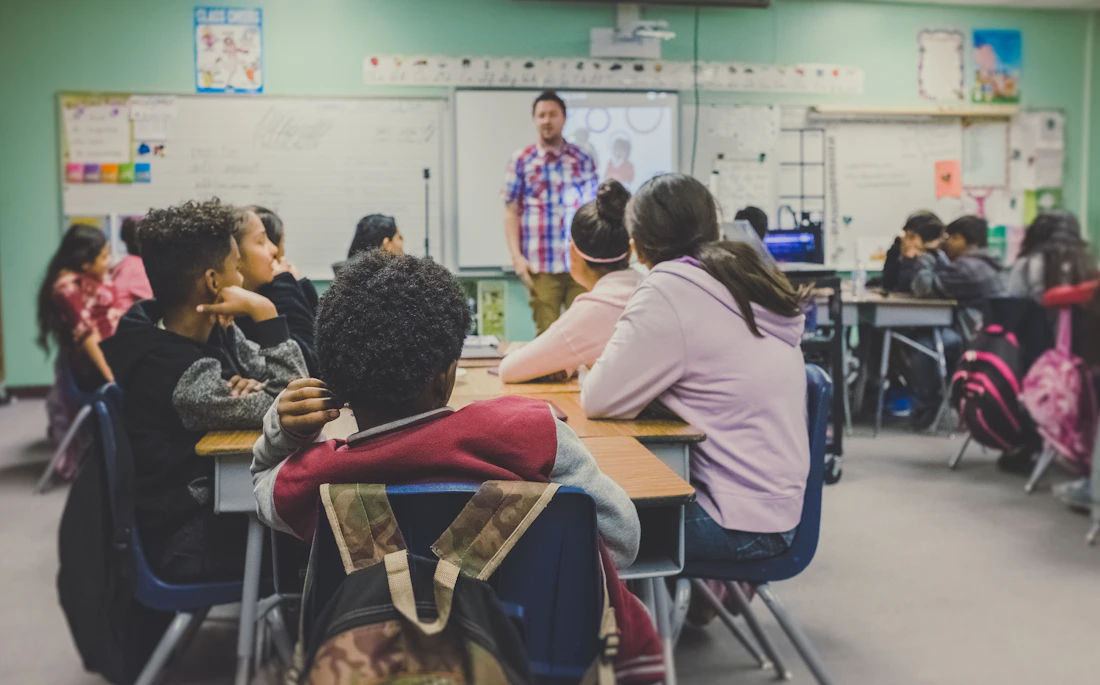
Introduction: Why Problem-Solving Matters
Life does not always follow a ready-made plan. Students face challenges in classrooms, friendships, homework, group activities and everyday decisions.
What matters is not whether a problem appears, but how students respond to it. Some become confused, some give up quickly, and others wait for someone else to solve the issue.
Problem-solving skills for students help young people understand a challenge, explore possible solutions, make thoughtful choices and learn from the results.
Understanding Problem-Solving Skills
Problem-solving is the ability to recognise a challenge, understand what is causing it, consider different ways forward and choose a practical response.
Observation
Notice what is happening and identify the real issue.
Critical Thinking
Examine information instead of reacting too quickly.
Creative Thinking
Explore more than one possible solution.
Taking Action
Test a suitable solution and review the result.
Why Do Students Struggle with Problems?
Fear of Mistakes
They worry that an incorrect answer means failure.
Low Confidence
They doubt their ability to find answers independently.
Overdependence
They expect others to solve every difficulty.
Limited Practice
They have few opportunities to handle real challenges.
Parents and teachers can help by asking guiding questions instead of immediately providing answers.
10 Practical Ways to Develop Problem-Solving Skills
Identify the Real Problem
Understand what is actually wrong before trying to fix it.
Break Big Problems into Smaller Parts
Divide difficult tasks into manageable steps.
Gather Relevant Information
Collect facts, instructions and useful resources.
Explore Multiple Solutions
Think of two or three possible ways forward.
Think Creatively
Look at the challenge from a different perspective.
Evaluate Possible Outcomes
Compare the advantages and disadvantages of each option.
Test the Best Solution
Try a suitable solution on a manageable scale.
Learn from Mistakes
Review what happened and improve the next attempt.
Ask for Help When Necessary
Seek guidance from parents, teachers or trusted adults.
Reflect and Improve
Think about what worked and what can be improved.
The 5-Step SOLVE Method
A simple framework students can use whenever they face a challenge.
THE SOLVE PROCESS
Real-Life Student Examples
| Situation | Possible response |
|---|---|
| Difficult subject | Break the topic into smaller parts and practise examples. |
| Group project | Divide work fairly and agree on a timeline. |
| Friendship disagreement | Listen respectfully and look for a fair solution. |
| Time management | List tasks and create a realistic schedule. |
| Missed deadline | Understand the reason and make a new plan. |
The Role of Parents and Teachers
What Parents Can Do
What Teachers Can Do
7-Day Problem-Solving Challenge
Identify one small problem in your day.
Write down what caused it.
Think of three possible solutions.
Select one practical option.
Take one safe, realistic step.
Check what happened.
Write what you would improve.
Student Checklist: Am I a Good Problem-Solver?
Frequently Asked Questions
What are problem-solving skills for students?
They help students identify challenges, understand information, explore solutions, make decisions and review results.
Why are these skills important?
They support independent learning, critical thinking, creativity and everyday decision-making.
How can students improve these skills?
Practise breaking tasks into steps, exploring options, testing ideas and reflecting on outcomes.
Is asking for help a weakness?
No. Recognising when guidance is needed is part of good judgement.
Can problem-solving improve academic performance?
It can help students understand questions, organise tasks and overcome learning difficulties.
What is the SOLVE method?
Spot, Options, Look, Verify and Evolve: five steps for approaching challenges thoughtfully.
Conclusion: Every Problem Can Become a Learning Opportunity
Problem-solving is not about knowing every answer. It is about staying curious, understanding challenges, exploring possibilities and learning from experience.
A problem is not simply something to avoid. It is an opportunity to think, explore, learn and grow.
Help Students Build Skills for Real Life
Education should prepare students not only for examinations, but also for everyday challenges and opportunities.
Connect with JFLN Academy →