
Introduction: Why Conflict Resolution Matters
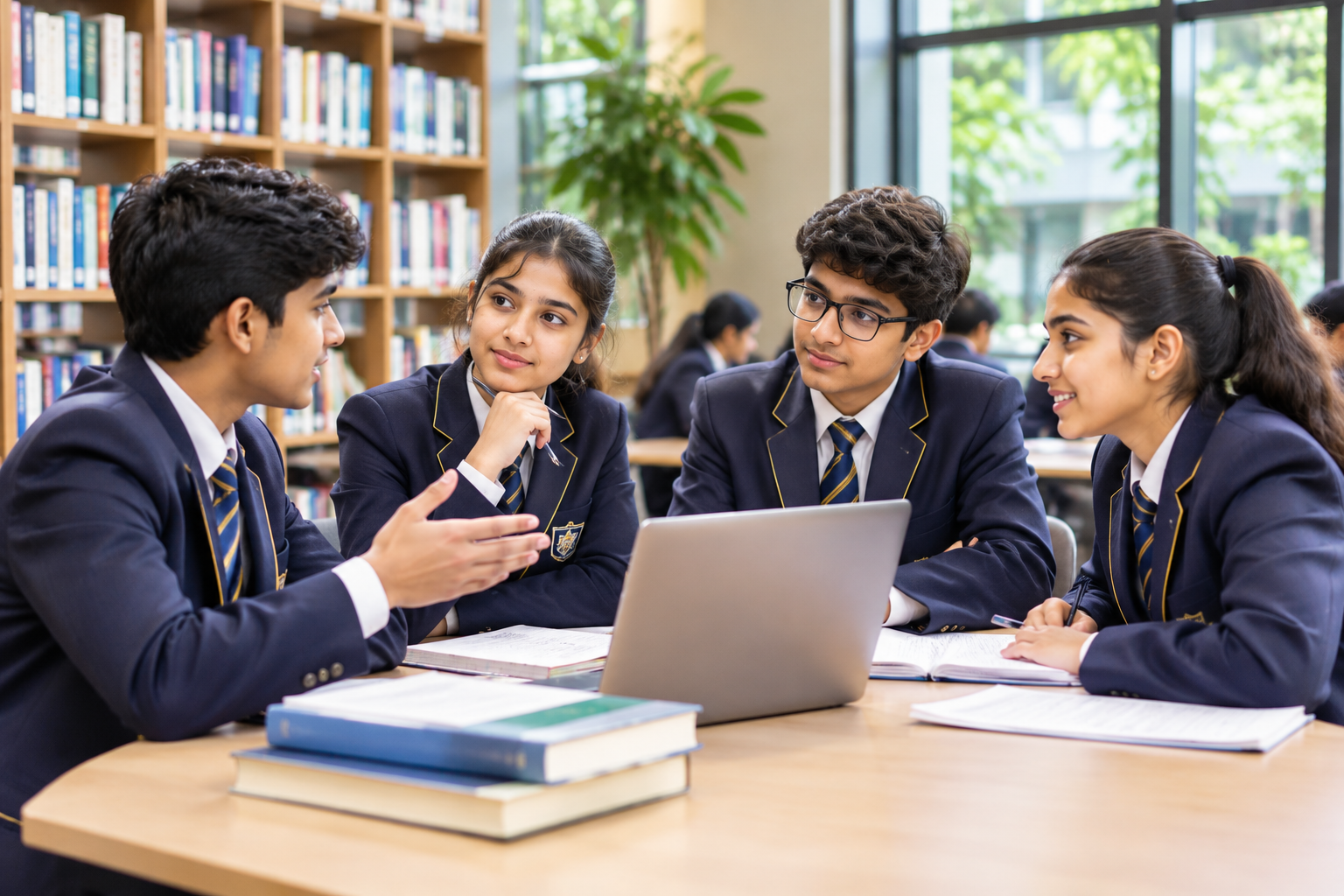
Disagreements are a natural part of growing up. Students may have different opinions, misunderstand each other, compete for attention or disagree while working together.
A small disagreement can sometimes become a bigger problem when students react emotionally, refuse to listen or struggle to explain what they feel. Without the right skills, friendships can become strained and classroom cooperation can suffer.
Conflict resolution skills for students help young people communicate respectfully, understand different perspectives, manage emotions and work towards fair solutions.
Understanding Conflict Resolution Skills
Conflict resolution means addressing disagreements constructively instead of allowing them to grow into arguments, hostility or hurtful behaviour.
It involves several important abilities:
Active Listening
Listening carefully without interrupting or making quick assumptions.
Empathy
Trying to understand how another person may feel.
Respectful Communication
Expressing thoughts and feelings without insulting others.
Cooperation
Looking for solutions that consider everyone's needs.
For example, two students may disagree about how to complete a group project. Instead of arguing, they can listen to each other's ideas, discuss their concerns and agree on a practical division of responsibilities.
Why Do Students Struggle to Resolve Conflicts?
Students are still developing emotional awareness and communication skills. Some common challenges include:
Strong Emotions
Anger or frustration can make it difficult to think clearly.
Not Listening
Students may focus on defending themselves instead of understanding others.
Poor Communication
They may struggle to explain their feelings in a respectful way.
Difficulty Compromising
They may expect everyone to agree with their own point of view.
10 Practical Ways to Develop Conflict Resolution Skills
Listen Without Interrupting
Allow the other person to explain their point of view. Listening carefully helps students understand the situation before responding.
Understand Different Perspectives
Encourage students to consider how the situation may look or feel to another person. Different people can experience the same event differently.
Stay Calm During Disagreements
Teach students to pause, breathe and take a short break when emotions become overwhelming. A calm response can prevent escalation.
Express Feelings Respectfully
Use statements such as “I felt upset when that happened” instead of blaming or insulting the other person.
Identify the Real Issue
Help students separate the actual problem from assumptions, rumours or unrelated past disagreements.
Avoid Blame and Personal Attacks
Focus on the behaviour or situation instead of attacking someone's character. Respectful language keeps the discussion constructive.
Find Common Ground
Look for something both people agree on. Shared goals can make it easier to move towards a solution.
Explore Win-Win Solutions
Think of practical options that consider the needs and feelings of everyone involved, rather than simply trying to win an argument.
Apologise and Accept Responsibility
When a student has caused harm, encourage an honest apology and a meaningful effort to correct the behaviour.
Learn from Disagreements
After a conflict has been addressed, reflect on what happened and how a similar situation could be handled better next time.
The 5-Step PEACE Method
The PEACE method is a simple framework students can practise when facing an ordinary disagreement. It encourages calm communication and thoughtful solutions.
THE PEACE PROCESS
Real-Life Conflict Resolution Examples
Students can practise these skills in familiar situations.
| Situation | Constructive response |
|---|---|
| Friendship disagreement | Listen to each other, explain feelings and discuss what caused the misunderstanding. |
| Group project | Discuss responsibilities and agree on a fair division of tasks. |
| Classroom disagreement | Allow each student to explain their idea respectfully and consider the evidence. |
| Sibling argument | Take turns speaking and agree on a practical arrangement. |
| Misunderstood message | Ask for clarification instead of making assumptions or spreading rumours. |
The Role of Parents and Teachers
Children learn how to manage disagreements partly by observing the adults around them. Parents and teachers can model respectful communication and create safe opportunities to practise these skills.
What Parents Can Do
What Teachers Can Do
7-Day Conflict Resolution Challenge
Practise one small habit every day. The goal is to build awareness, empathy and respectful communication.
Listen carefully without interrupting someone.
Try to understand another person's perspective.
Practise taking a calm pause when frustrated.
Explain a feeling respectfully using an I-statement.
Identify one thing two people agree on.
Work together on a shared task.
Write one communication habit you want to improve.
Student Checklist: Am I a Respectful Communicator?
Tick the statements that describe your current habits.
Frequently Asked Questions
What are conflict resolution skills for students?
They are abilities that help students manage disagreements through listening, empathy, respectful communication, cooperation and fair decision-making.
Why are conflict resolution skills important?
They help students maintain healthier relationships, communicate more effectively, work in teams and manage ordinary disagreements constructively.
How can students handle disagreements calmly?
They can pause, take a breath, listen to the other person, explain their feelings respectfully and consider practical solutions.
What is the PEACE method?
PEACE stands for Pause, Explain, Assess, Choose and Evaluate. It is a simple framework for approaching ordinary disagreements thoughtfully.
Should students always compromise?
No. Compromise is useful for ordinary disagreements, but students should not compromise their safety, dignity or personal boundaries.
What should students do if they experience bullying?
They should tell a trusted adult, such as a parent, teacher or school counsellor. They should not be expected to resolve bullying through negotiation alone.
Conclusion: Turn Disagreements into Opportunities for Understanding
Disagreements do not have to damage relationships. When students learn to listen, communicate respectfully, understand different perspectives and consider fair solutions, they become better prepared to manage everyday challenges.
True conflict resolution is not about winning an argument. It is about understanding people, respecting differences and finding constructive ways forward.
Help Students Build Skills for Real Life
At JFLN Academy, we believe education should prepare students to communicate confidently, develop healthy relationships and handle real-life situations.
Discover how meaningful learning and life-skills development can support student growth.
Connect with JFLN Academy →