
The month of Ramadhan is that in which was revealed the Quran, a guidance for the people and clear proofs of guidance and criterion.. (Quran 2:185)
Blog Category islamic life
Blog description Fitness & Feasting during Ramadhan
Ramadhan is a sacred month of fasting, reflection, discipline, and spiritual growth for Muslims worldwide. From dawn to sunset, believers abstain from food, drink, and physical desires while strengthening their connection with Allah. While fasting nurtures the soul, maintaining physical fitness and healthy eating during Ramadhan is equally important to preserve energy, focus, and overall well-being.
1. The Balance between Worship and Wellness
Islam teaches moderation in all aspects of life. The body is an amanah (trust) from Allah, and caring for it is part of faith. The Prophet Muhammad encouraged strength, activity, and moderation, reminding believers that a strong believer is better than a weak one. Ramadhan is not meant to weaken the body but to discipline it—both spiritually and physically.
2. Smart Feasting: Eating with Purpose
Ramadhan transforms daily eating patterns into two main meals:
- Suḥūr (pre-dawn meal)
- Iftār (meal at sunset)
Healthy feasting includes:
- Slow-digesting foods such as oats, whole grains, dates, fruits, and vegetables.
- Lean proteins like eggs, lentils, yogurt, and grilled meats.
- Hydration with plenty of water between Iftār and Suḥūr.
- Avoiding excessive fried and sugary foods that cause fatigue and weight gain.
The Qur’an reminds believers:
“Eat and drink, but do not be excessive…”
This verse beautifully defines the philosophy of Ramadhan nutrition.
3. Staying Fit While Fasting
Contrary to popular belief, Ramadhan is not a month of inactivity. Gentle and consistent exercise helps:
- Improve digestion
- Prevent muscle loss
- Boost mental clarity
- Maintain a healthy weight
Best times to exercise:
- Light workouts before Iftār
- Strength training or walking 1–2 hours after Iftār
Recommended activities include:
- Walking
- Yoga or stretching
- Light strength training
- Breathing exercises
4. Mental Fitness & Self-Control
Ramadhan strengthens not just the body but the mind and character. Fasting trains:
- Patience
- Emotional control
- Discipline
- Gratitude
Avoiding anger, gossip, and harmful habits is as important as avoiding food. True fitness in Ramadhan includes emotional stability and spiritual peace.
5. Social Feasting & Community Health
Iftār gatherings bring families and communities together. Sharing meals increases emotional well-being and radiates compassion. However, mindful eating should be practiced even during celebrations to prevent overeating and lethargy.
Ramadhan is a month of spiritual cleansing, as we all know. Fasting from dawn to dusk makes a person tolerant, patient, determined and compose. If observed according to its prerequisites one can attain self control not only in hunger but also on various other emotions like anger, frustration, negativity, stress etc.
Besides being spiritual in nature, fasting also helps in physical cleansing. Backed by many scientific research, fasting helps in weight management as well as supports growth hormones. That’s the reason intermittent fasting is the ‘buzz’ word with many health and fitness enthusiast, due to its many advantages.
This one month teaches a person to be disciplined for the rest of the eleven months. Let’s talk about attaining this self-control, keeping in mind the diet and fitness regime. What to eat and what to delete from your diet is the criteria to achieving the desired health goals. Keeping in mind the longevity of the day, one must have the pre-dawn meals (suhoor) accordingly. Besides food, water intake is of utmost importance since this Ramadan comes in summer this year.
Include fibre and protein-rich food during suhoor. This will ensure satiety till dusk. Avoid sweet and fried food during this time to ward off the risk of thirst. Food one can have during suhoor is as follows:
- Eggs
- Chicken
- Pulses
- Whole wheat bread or roti/khubz
- Multi grain bread or roti/khubz
- Different types of legumes
- Veggies with high water content e.g.: cucumber, lettuce, bottle gourd, tomatoes, etc. (to keep one hydrated for a day long fasting)
- Again, fruits with high water content, top-most being water melon, musk melon, different types of berries etc.
- Milk. Since it has 80% water
- Curd also helps to curb thirst for a longer period of time
Concentrate more on eating fruits and vegetables, since these are all rich in fibre as well as water. Hydration and fullness will be taken care of!
Let’s discuss the Iftar (breaking of fast) meal – it must be as healthy as your pre-dawn meal. Before you eat, have lots of water and according to the Sunnah, dates. The wisdom in Islam is never ending, breaking the fast with dates. Why dates? Dates are rich in potassium even more than a banana, rich in fructose, and a very good carbohydrate blend, which will provide the required amount of energy after a day-long fasting. Since fasting also helps in cardio-vascular health if a person does not have IBS, no its not irritable bowel syndrome, its Iftar binge syndrome. One can eat other food too, provided it’s in moderation. Of course, plenty of fluids to hydrate the system, preferably with water.
Let’s talk about the fitness part now –
Since we all know that diet contributes 80% to weight loss and exercise just 20%. Exercise is equally important along with a balanced and nutritious diet. It is always detrimental to work out in a fasted and dehydrated state, which eventually creates loss of strength.
The best timing would be one hour after iftar or after taraweeh (highly recommended night prayers established during Ramadhan). One must go easy on cardio and concentrate more on weight or strength training. As far as weight training is concerned, it should be done after taraweeh, since you are already done with your required meals as well as hydrated, everything will be utilised for muscle building. Cardio should be done minimally, preferably twice a week. More than steady state cardio one must consider ‘Hiit’ (high intensity interval training), since it helps save a lot of time and fat loss will be faster too, it’s like hitting two birds with one stone. The best way to do ‘Hiit’ would be sprinting for 30 seconds and slow paced walk for a minute or so, doing it 4 to 5 times will serve the purpose, else a moderate pace workout for 35 to 45 minutes would also be beneficial.
Lastly and most importantly, our aim should be more on the spiritual front. Since this month comes only once a year. We need to make the most of it. Let’s be optimistic but for all you know we may not be alive to experience Ramadan next year.
May Allah (swt) guide us to remain steadfast in our religion and make us healthy – spiritually, physically and mentally. Ameen.
Fitness & Feasting during Ramadhan is about harmony—between body and soul, nourishment and discipline, rest and movement. When balanced correctly, Ramadhan becomes a month of healing, renewal, and spiritual elevation, not just fasting. Those who eat wisely, move moderately, and worship sincerely emerge from the month not exhausted—but transformed.
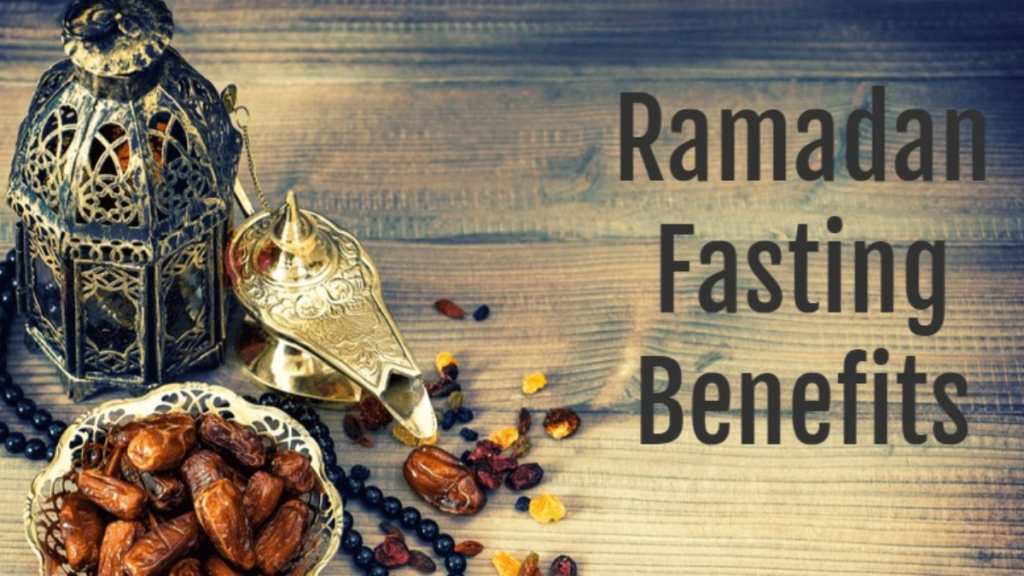
Featured Image
Please include a short bio
Mushtabi Fatma is a faith-based content writer and researcher with a deep interest in Islamic spirituality, lifestyle, and personal development. Her writings focus on blending traditional Islamic values with modern-day well-being, aiming to inspire readers toward balanced living, mindfulness, and positive transformation.
Notes (If Any)
- Fitness during Ramadhan should always be adjusted according to age, health condition, and daily routine. Those with medical concerns should consult a healthcare professional before starting any workout routine.
- The goal of health and fitness in Ramadhan is balance, not intensity—spiritual growth always takes priority over physical appearance.
- Overeating at Iftār can reduce energy for Tarāwīḥ prayers and night worship, so moderation enhances both worship and wellness.
- Even small daily actions—like a 20-minute walk or light stretching—can significantly support physical and mental health during the fast.
- Hydration and sleep are often overlooked but are just as important as food and exercise in maintaining strength throughout the month.
About The Author

