
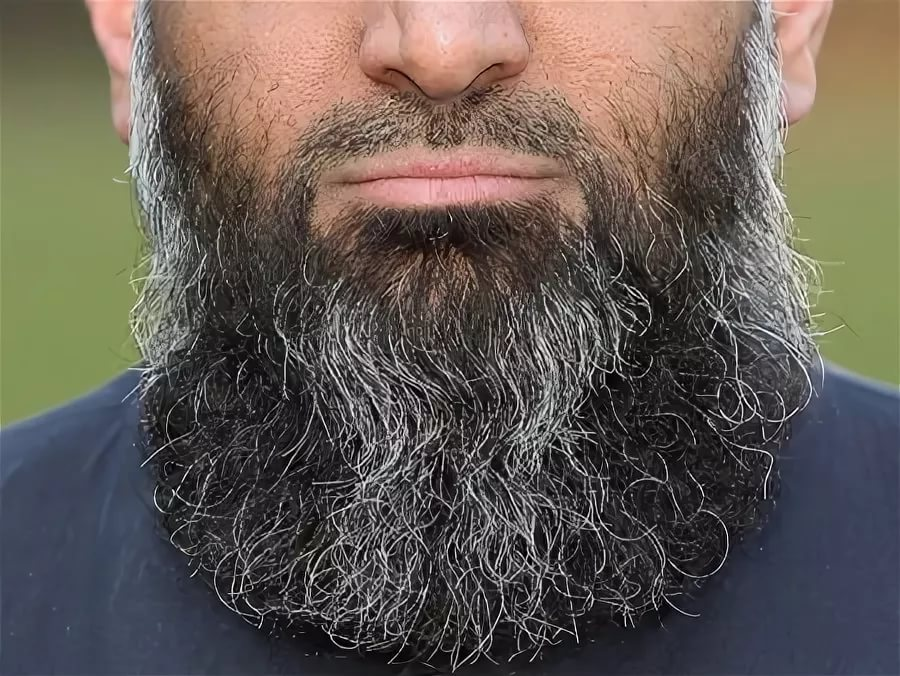
This article emphasizes the importance of growing a beard in Islam. Many Muslims often question this Sunnah, and some follow the trend of keeping a beard as a fashion statement rather than as a commandment of the Prophet Muhammad (peace and blessings be upon him). In the face of increasing western influences, the significance of the beard – a distinctive feature of Muslim identity – is often doubted or even ridiculed.
Blog Category islamic
Blog description Importance of Beard in Islam
The beard holds strong religious, spiritual, and identity-based importance in Islam. It is regarded as a visible symbol of faith, obedience to divine command, and adherence to the natural way taught by the prophets. Growing the beard is primarily understood as following the Sunnah (way) of Prophet Muhammad, and it reflects a Muslim man’s commitment to Islamic values.
1. A Command from the Prophet (PBUH)
The Prophet ﷺ explicitly instructed Muslim men to grow their beards and trim the moustache, clearly distinguishing believers from other communities. These commands are well-documented in authentic Hadith collections and are treated by many scholars as an obligation (wājib), while others view them as a strongly emphasized Sunnah.
2. A Practice of the Prophets
All major prophets mentioned in Qur’an, including Prophet Ibrāhīm (Abraham), Mūsā (Moses), and ‘Īsā (Jesus), are traditionally described as having beards. Thus, keeping a beard reflects continuity with prophetic tradition.
3. Symbol of Islamic Identity
The beard serves as a visible marker of Muslim identity. In many societies, it symbolizes dignity, modesty, masculinity, and commitment to religious principles. It reminds a believer of his responsibilities toward Allah in daily conduct.
4. Part of Fitrah (Natural Disposition)
Islam teaches that certain natural practices align with the innate human nature (fitrah). Growing the beard is included among these practices, emphasizing cleanliness, natural appearance, and moral discipline.
5. Spiritual Value
Maintaining the beard with the right intention becomes an act of worship. It fosters self-discipline, humility, and obedience—core qualities of a practicing Muslim.
This compilation seeks to provide clear evidence from the Qur’an, authentic Hadiths, and scholarly opinions to guide those who sincerely wish to follow the teachings of Islam.
Adherence to the Sunnah in the Holy Qur’an
The Qur’an repeatedly emphasizes the importance of following the Prophet Muhammad (peace and blessings be upon him) as the perfect model for Muslims:
“O you who believe! Obey Allah, and obey the Messenger, and those in authority among you.” (Quran 4:59)
“O you who believe! Obey Allah and His Messenger, and do not turn away from him while you hear [his call].” (Quran 8:20)
“O you who believe! Respond to Allah and His Messenger when He calls you to that which gives you life.” (Quran 8:24)
“Indeed, in the Messenger of Allah, you have an excellent example for whoever has hope in Allah and the Last Day and remembers Allah often.” (Quran 33:21)
“And whatever the Messenger has given you—take it; and whatever he has forbidden you—refrain from it. And fear Allah; indeed, Allah is severe in penalty.” (Quran 59:7)
What Prophet Muhammad (peace and blessings be upon him) Said:
The Prophet Muhammad (peace and blessings be upon him) explicitly commanded Muslims to grow their beards and trim their mustaches. The following authentic Hadiths emphasize this practice:
“Trim closely the moustache and let the beard grow.” (sahih mslim)
“Act differently from the polytheists: trim closely the moustache and grow the beard.” (Sahih muslim)
More authentic hadiths
The Beard According to the Great Imams of Jurisprudence
The four major schools of Islamic jurisprudence unanimously agree on the obligation of growing a beard:
Hanafi: Imam Abu Hanifa and his students held that shortening the beard to less than a fist-length is haram. (Kitabul Aathaar by Imam Muhammad)
Shafi’i: Imam Shafi’i states in his Kitabul Umm: “To shave the beard is haram.”
Maliki: The Maliki scholars confirm that shaving the beard is haram, as mentioned in Tamheed, a commentary on the Muwatta of Imam Malik.
Hanbali: The Hanbali position is clear: “To grow the beard is essential, and shaving it is haram.” (Al-Khanie’a Hanbali Fatawa Kitab)
Scholarly Warnings Against Shaving the Beard
Islamic scholars have issued stern warnings regarding shaving or shortening the beard:
“No one has called it permissible to trim the beard less than a fist-length.” (Durre-Mukhtar, Vol. 2, p. 155)
“It is unlawful to shave another’s beard.” (Durre-Mukhtar, Vol. 5, p. 359)
Growing a beard is an act of obedience to Allah and His Messenger (peace and blessings be upon him) and is a hallmark of Muslim identity. By adhering to this Sunnah, a Muslim aligns themselves with the teachings of Islam and distances themselves from imitation of non-believers.
“Say [O Muhammad]: If you love Allah, follow me; Allah will love you and forgive your sins. And Allah is Oft-Forgiving, Most Merciful.” (Quran 3:31)
“The response of the believers, when they are called to Allah and His Messenger to judge between them, is only that they say, ‘We hear and we obey.’ And those are the successful.” (Quran 24:51)
Let us embrace the Sunnah of growing a beard as an act of submission and love for the Prophet Muhammad (peace and blessings be upon him). May Allah guide us to the straight path and grant us success in both worlds. Ameen.
Featured Image
Please include a short bio
The importance of the beard in Islam stems from prophetic teachings, the Qur’anic tradition, and centuries of scholarly consensus. It is widely regarded as a symbol of religious devotion, natural male identity, and adherence to the Sunnah of Prophet Muhammad ﷺ.
Notes (If Any)
- Scholars differ slightly on whether keeping a beard is strictly obligatory or a highly emphasized Sunnah, but all agree on its strong importance.
- Islam encourages cleanliness and grooming of the beard, not neglect.
- The spiritual reward depends on intention and sincerity, not appearance alone.
About The Author

