
Blog Category islam
Namaz-e-Tahaj Jud is a voluntary night prayer in Islam, highly recommended but not obligatory.
Key Points about Tahajjud:
- Time:
- Performed after Isha prayer and before Fajr.
- Best time is in the last one-third of the night, when Allah’s mercy and acceptance of prayers are greatest.
- Performed after Isha prayer and before Fajr.
- Rak‘ahs (Units of Prayer):
- Usually 2 rak‘ahs at a time, prayed in sets, and can be repeated as desired.
- There is no fixed number, but the Prophet Muhammad (ﷺ) often prayed 8 rak‘ahs + 3 Witr rak‘ahs.
- Usually 2 rak‘ahs at a time, prayed in sets, and can be repeated as desired.
- Importance:
- Brings closeness to Allah.
- Helps seek forgiveness for sins.
- Strengthens faith, patience, and spiritual discipline.
- The Prophet Muhammad (ﷺ) said:
“The best prayer after the obligatory prayers is the night prayer (Tahajjud).”
(Sahih Muslim)
- Brings closeness to Allah.
- Spiritual Benefit:
- Tahajjud is considered a time of special acceptance — prayers made at this hour are more likely to be answered.
- It strengthens the heart and soul and brings peace and tranquility.
- Tahajjud is considered a time of special acceptance — prayers made at this hour are more likely to be answered.
in short, Namaz-e-Tahajjud is a voluntary, late-night prayer that brings immense spiritual reward and closeness to Allah.
Rak‘ahs (Units of Prayer) in Islam are the basic cycles or units that make up each prayer (Namaz/Salah). Each Rak‘ah consists of specific postures and recitations.
Structure of a Rak‘ah:
- Qiyam (Standing)
- Stand facing the Qibla (Kaaba in Mecca).
- Recite Surah Al-Fatihah (opening chapter of the Qur’an) and another short Surah.
- Stand facing the Qibla (Kaaba in Mecca).
- Ruku‘ (Bowing)
- Bow down with hands on knees, back straight, saying:
“Subhana Rabbiyal Adheem” (Glory be to my Lord, the Most Great)
- Bow down with hands on knees, back straight, saying:
- I’tidal (Standing after Ruku‘)
- Stand up straight, saying:
“Sami’ Allahu liman hamidah” (Allah hears the one who praises Him)
“Rabbana lakal hamd” (Our Lord, to You be all praise)
- Stand up straight, saying:
- Sujood (Prostration)
- Prostrate on the ground, forehead, nose, hands, knees, and toes touching the floor.
- Say:
“Subhana Rabbiyal A’la” (Glory be to my Lord, the Most High)
- Prostrate on the ground, forehead, nose, hands, knees, and toes touching the floor.
- Jalsa (Sitting)
- Sit briefly between two prostrations, saying:
“Rabbighfir li” (O Lord, forgive me)
- Sit briefly between two prostrations, saying:
- Second Sujood (Prostration)
- Repeat the prostration as above.
- Repeat the prostration as above.
- Completion of Rak‘ah
- After the required number of Rak‘ahs, end the prayer with Tashahhud and Salam.
- After the required number of Rak‘ahs, end the prayer with Tashahhud and Salam.
Number of Rak‘ahs in Daily Prayers:
| Prayer | Sunnah Rak‘ahs | Fard Rak‘ahs | Total Rak‘ahs |
| Fajr | 2 | 2 | 4 |
| Dhuhr | 4 (before) + 2 (after) | 4 | 10 |
| Asr | 4 | 4 | 8 |
| Maghrib | 2 | 3 | 5 |
| Isha | 4 (before) + 2 (after) | 4 | 10 |
✨ In short:
A Rak‘ah is one complete cycle of standing, bowing, and prostrating. Each prayer consists of a set number of Rak‘ahs, combining both obligatory (Fard) and optional (Sunnah/Nafl) units.
Importance of Namaz-e-Tahajjud (Night Prayer)
Namaz-e-Tahajjud is a voluntary night prayer with great spiritual significance in Islam. Though not obligatory, it holds immense reward and benefits.
1. Closeness to Allah
- Tahajjud is a way to strengthen the bond with Allah.
- It is prayed in the quiet hours of the night, showing sincerity and devotion.
2. Forgiveness of Sins
- The Prophet Muhammad (ﷺ) said:
“The best prayer after the obligatory prayers is the night prayer (Tahajjud).” - Praying Tahajjud helps a believer seek forgiveness and purification of the soul.
3. Time of Acceptance
- The last one-third of the night is a special time when prayers are more likely to be answered.
- Allah’s mercy and blessings are especially abundant at this hour.
4. Spiritual Strength and Peace
- Provides inner peace, patience, and tranquility.
- Helps a believer overcome difficulties and strengthen faith.
5. Discipline and Devotion
- Praying at night requires effort and self-control.
- It teaches discipline, commitment, and dedication in worship.
6. Reward in the Hereafter
- Regular Tahajjud leads to immense reward from Allah.
- The Prophet Muhammad (ﷺ) said:
“The closest a servant is to his Lord is during the last part of the night, so make plenty of supplication then.”
(Sahih Muslim)
🌙 In short:
Namaz-e-Tahajjud is a powerful prayer that brings forgiveness, spiritual elevation, closeness to Allah, and immense rewards in this world and the Hereafter.
Spiritual Benefits of Namaz-e-Tahajjud (Night Prayer)
Namaz-e-Tahajjud is a highly rewarding voluntary prayer performed at night, offering deep spiritual benefits:
1. Closeness to Allah
- Praying in the quiet hours of the night strengthens a believer’s connection and devotion to Allah.
- It demonstrates sincerity and humility, as one sacrifices sleep to worship.
2. Forgiveness and Purification
- Tahajjud is a time to seek Allah’s forgiveness for past sins.
- It purifies the heart and soul, making the believer more conscious of Allah (Taqwa).
3. Peace and Tranquility
- Night prayer brings inner calm, mental clarity, and spiritual comfort.
- It reduces stress and helps the believer feel closer to Allah’s mercy.
4. Strengthens Faith and Patience
- Regularly observing Tahajjud builds spiritual discipline, strengthens faith, and increases patience in facing life’s challenges.
5. Time of Special Acceptance
- The last one-third of the night is a time when supplications (duas) are most likely to be accepted.
- Believers can ask Allah for guidance, protection, and blessings with a pure heart.
6. Elevation in Status
- The Prophet Muhammad (ﷺ) said:
“The closest a servant is to his Lord is during the last part of the night, so make plenty of supplication then.”
(Sahih Muslim) - Regular Tahajjud brings spiritual elevation and closeness to Allah in this world and the Hereafter.
🌙 In short:
Namaz-e-Tahajjud nourishes the soul, strengthens faith, purifies the heart, brings peace, and earns immense rewards from Allah.
Closeness to Allah (Spiritual Connection through Worship)
Closeness to Allah refers to the deep spiritual bond and awareness a believer develops with their Creator. It is achieved through sincere worship, obedience, and remembrance.
How Namaz Brings Closeness to Allah:
- Direct Communication with Allah
- During prayer, a Muslim talks to Allah, praises Him, and seeks guidance.
- This strengthens the sense that Allah is near and always listening.
- During prayer, a Muslim talks to Allah, praises Him, and seeks guidance.
- Sincerity and Humility
- Performing prayers with concentration and devotion shows complete submission.
- Humbling oneself before Allah fosters a deep spiritual connection.
- Performing prayers with concentration and devotion shows complete submission.
- Consistency in Worship
- Regular prayers, including Tahajjud at night, keep the heart mindful of Allah throughout the day.
- This builds a continuous spiritual link, making one more conscious of right and wrong.
- Regular prayers, including Tahajjud at night, keep the heart mindful of Allah throughout the day.
- Trust and Reliance (Tawakkul)
- Turning to Allah in prayers for needs, forgiveness, and guidance strengthens trust in His wisdom and mercy.
- Turning to Allah in prayers for needs, forgiveness, and guidance strengthens trust in His wisdom and mercy.
- Inner Peace and Contentment
- Feeling close to Allah brings peace of heart, reduces anxiety, and provides spiritual satisfaction.
- Feeling close to Allah brings peace of heart, reduces anxiety, and provides spiritual satisfaction.
- Spiritual Rewards and Elevation
- A believer who is close to Allah is blessed in this world and the Hereafter.
- The Prophet Muhammad (ﷺ) said:
“The closest a servant is to his Lord is when he is in prostration (Sujood).”
(Sahih Muslim)
- A believer who is close to Allah is blessed in this world and the Hereafter.
🌟 In short:
Closeness to Allah is a state of heart and soul where a believer feels Allah’s presence, mercy, and guidance. Namaz, especially voluntary prayers like Tahajjud, is a powerful way to achieve this closeness.
Featured Image
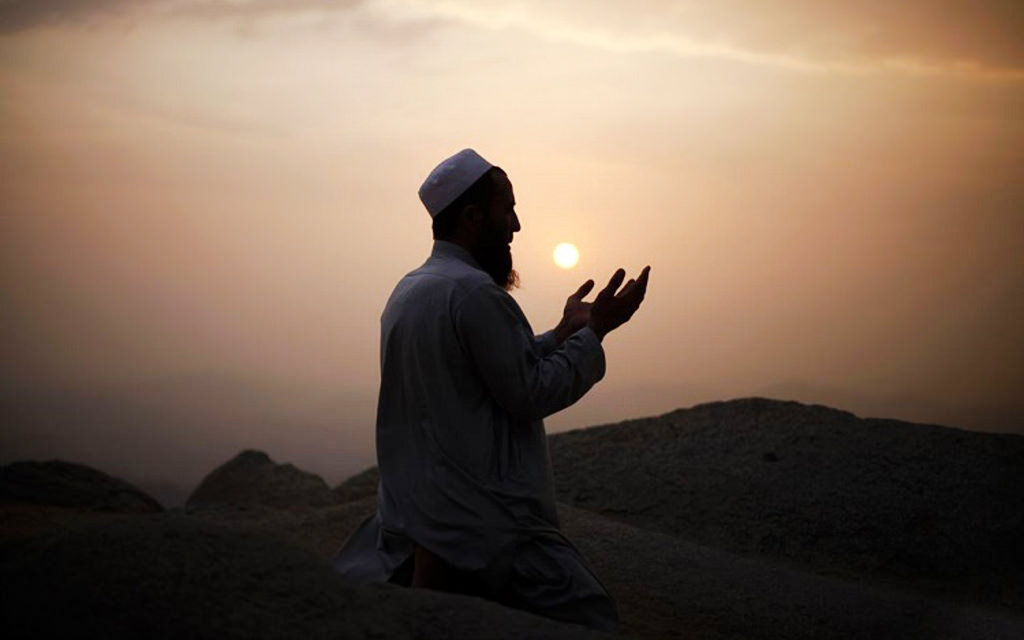
Please include a short bio Namaz-e-Tahajjud is a voluntary night prayer in Islam, performed after Isha prayer and before Fajr. It is highly recommended but not obligatory.
Tahajjud is prayed in sets of 2 rak‘ahs, with no fixed limit, though the Prophet Muhammad (ﷺ) often prayed 8 rak‘ahs followed by 3 rak‘ahs of Witr.
This prayer is a means of closeness to Allah, forgiveness of sins, and spiritual elevation. It is performed during the last one-third of the night, a special time when supplications are more likely to be accepted. Tahajjud strengthens faith, discipline, patience, and inner peace, and brings immense reward in this world and the Hereafter.
Notes if Any
Recommended Practices
- Pray with sincerity and concentration.
- Make personal supplications (duas) after Tahajjud.
- Follow Tahajjud with Witr prayer to complete the night worship.
About The Author
