

The Battle of Karbala is a significant event in Islamic history, especially for Sunni Muslims. It occurred on the 10th of Muharram in 61 AH (680 AD). Imam Hussain, the grandson of Prophet Muhammad, led a small group of his family and followers against the large army of Yazid I, the Umayyad Caliph.
Imam Hussain and his companions, numbering around 72, faced a massive army of thousands. Despite being vast, they showed immense courage and steadfastness in the face of certain death. This battle is essential for the sacrifice of Imam Hussain and his followers.
Why Karbala Happened
Yazid I demanded allegiance from Imam Hussain to legitimize his rule. However, Imam Hussain refused to pledge allegiance to a tyrant. The people of Kufa, who initially invited Imam Hussain to lead them against Yazid, later betrayed him. Yazid’s forces in Karbala surrounded Imam Hussain and his small group.
The Day of Ashura
On the day of Ashura, the battle began. Imam Hussain’s companions fought but were killed one by one. They were denied water, and many were martyred while trying to reach the river to quench their thirst. Imam Hussain himself was severely wounded and ultimately martyred. His death was a tragic end to a valiant struggle for justice.
Honoring the Martyrs
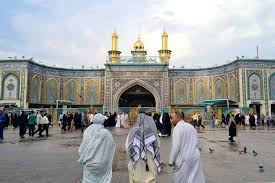
The martyrs of Karbala are honored and remembered for their bravery and sacrifice. They stood up against oppression and fought for truth and justice, embodying the highest principles of Islam. Their legacy continues to inspire Muslims around the world.
References from the Quran and Hadith
The Quran emphasizes the importance of standing up for justice, even in the face of great odds. One such verse is:
“And do not speak of those who are slain in the way of Allah as dead; nay, (they are) alive, but you do not perceive.” (Quran 2:154)
The Hadith also highlights the virtues of Imam Hussain. The Prophet Muhammad said:
“Hussain is from me, and I am from Hussain. May Allah love those who love Hussain.” (Sunan Ibn Majah)
The Legacy of Karbala
The events of Karbala left a lasting impact on the Muslim world. They serve as a reminder of the importance of standing up against tyranny and injustice. Imam Hussain’s sacrifice is a beacon of hope and courage for all those who strive for righteousness.
In conclusion, the tragedy of Karbala is a powerful story of sacrifice and resilience. The martyrs of Karbala are remembered with great reverence and respect, their legacy continuing to inspire and guide Muslims in their quest for justice and truth.
For more detailed insights, you can refer to sources like IslamicLandmarks.com and the lectures of scholars such as Shaykh Yasir Qadhi, which provide an in-depth understanding of the Sunni perspective on the Battle of Karbala (IslamicLandmarks.com) (5Pillars). Please read more articles: Love Of Hazrat Ali Akbar With Islam.
About The Author


